The Ayurvedic Approach to Weight Loss (And Why It's Slower Than You Think)
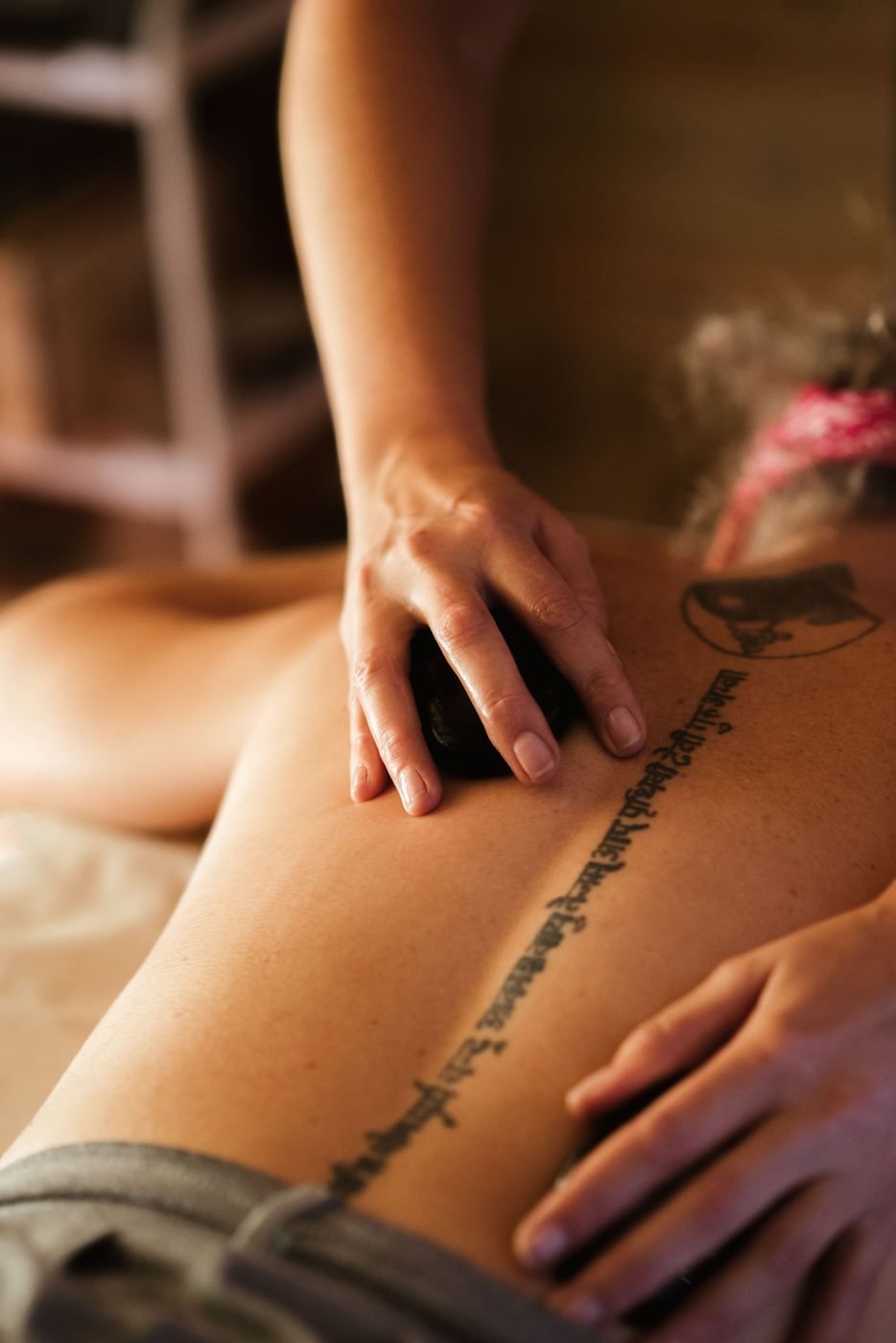
If you searched for "Ayurvedic weight loss treatment" hoping for a quick fix, we'd rather be upfront: that's not what this is, and any programme promising dramatic short-term results should raise questions. Here's the honest version.
Kapha and Agni: the two concepts that matter
Ayurveda attributes stubborn weight gain to excess Kapha (the dosha governing structure and stability) combined with weak Agni (digestive fire), leading to poor fat metabolism and fluid retention rather than a single simple "calories in, calories out" story.
Udwarthanam: the signature therapy
Udwarthanam is a vigorous, dry herbal-powder massage applied against the direction of hair growth, aimed at stimulating circulation and lymphatic drainage. It's invigorating, not painful, and works best as part of a broader programme rather than alone.
Why diet correction matters more than the massage
A Kapha-reducing diet and consistent daily movement routine do more of the actual work than any single therapy. Guests are given a structured, sustainable eating pattern — not a crash diet — designed to continue for months after the Kerala trip ends.
What's a realistic outcome from a 2-3 week trip?
Think of it as a metabolic reset and habit-building phase rather than the weight-loss event itself. Meaningful, lasting change happens over the months following, through the diet and routine changes you take home.
Frequently asked
How much weight will I lose in two weeks?
Healthy, lasting weight change happens over months — treat the in-clinic programme as the starting phase, not the whole journey.
Is the diet extremely restrictive?
It's structured and Kapha-focused rather than a crash diet — the goal is a pattern you can actually sustain at home.