Munnar: Tea Hills, Cool Climate & Ayurveda Rejuvenation
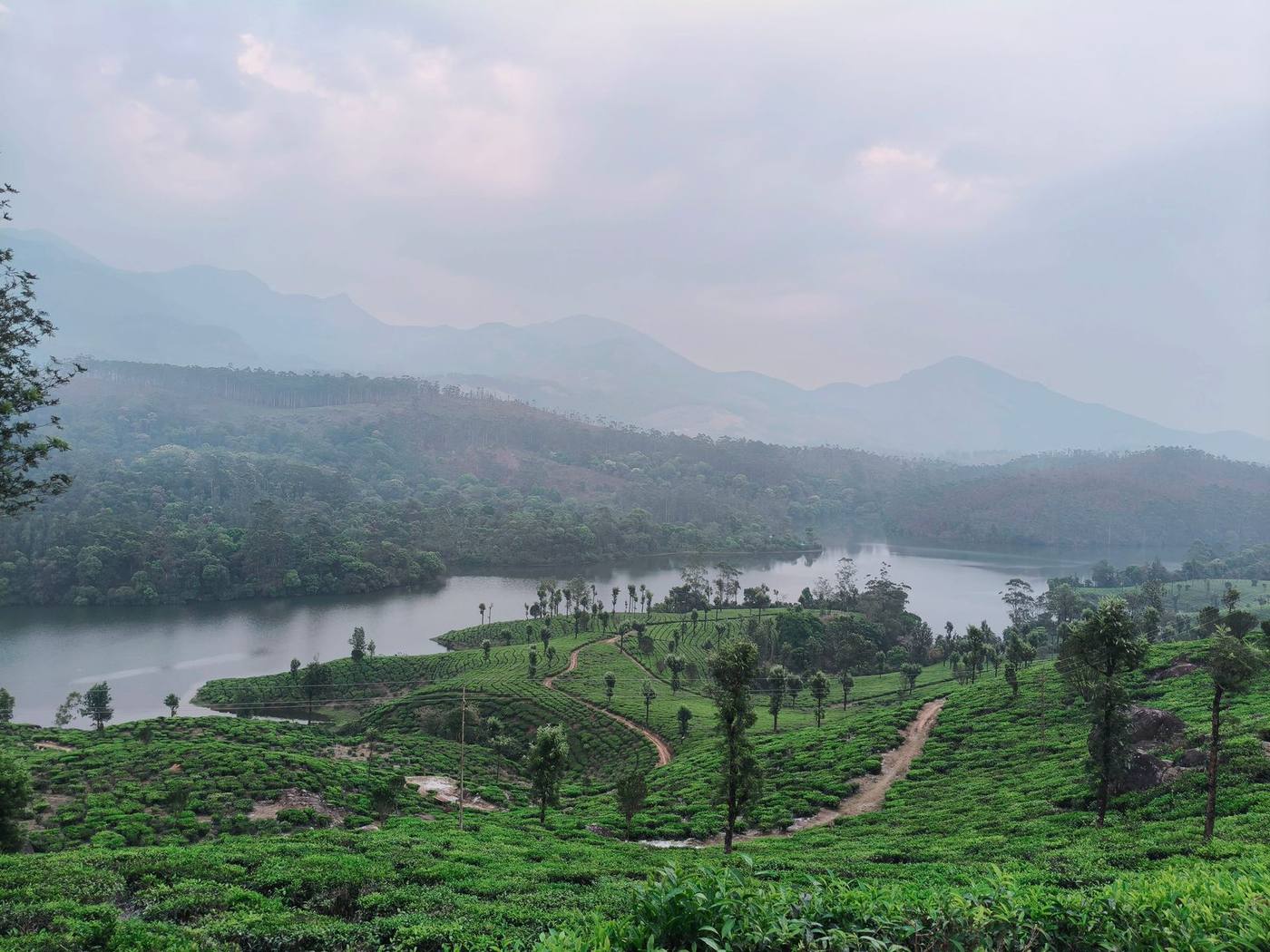
Munnar is Kerala's best-known hill station — rolling tea plantations, misty mornings and a noticeably cooler climate than the coast. It's also a genuine Ayurveda destination in its own right, not just a scenic detour.
Why guests choose Munnar over the coast
Some travellers find Kerala's tropical coastal heat tiring between treatment sessions. Munnar's altitude keeps daytime temperatures noticeably lower year-round, and many guests report sleeping better in the cooler night air — a meaningful bonus during a rejuvenation programme.
What to see beyond the tea gardens
Eravikulam National Park is home to the endangered Nilgiri Tahr and some of the best short hiking trails in the region. The Tata Tea Museum gives useful context on how the plantations were established in the 1870s-80s. Photo Point and Top Station offer sweeping valley views for those short on time.
How Ayurveda programmes work in a cool climate
Treatment rooms are heated appropriately regardless of outdoor temperature, so a Munnar-based Panchakarma or Abhyanga programme is just as effective as a coastal one — some physicians argue the cooler air actually helps guests rest better between sessions.
Combining Munnar with Thekkady
Periyar Tiger Reserve is roughly 2.5-3 hours from Munnar, making a wildlife extension a common add-on for guests with 10+ days available.
Frequently asked
Is Munnar worth visiting if I've already done a coastal Ayurveda stay?
Yes — the scenery, climate and pace are different enough that many repeat visitors specifically choose Munnar for their second Kerala trip.
How cold does Munnar get?
Nighttime temperatures can drop to around 10-15°C (50-59°F) in winter months (December-February); daytime is generally mild and comfortable.
Do I need multiple days to see the tea plantations properly?
2-3 days lets you see the main viewpoints, visit a tea museum, and still have time for a treatment programme without feeling rushed.
Is Munnar accessible for elderly travellers?
Yes, though some viewpoints involve short walks or steps — most main sights are accessible by car with minimal walking required.